

Your trusted landscapers
Turfing Leeds
Professional turfing Leeds, offering high-quality lawn installation, turf supply and garden transformations.
Attention to detail
With a keen eye for detail, trust RightScapes to deliver the best possible results.
Quality assured
Our fully trained and qualified Leeds-based teams will deliver you unparalleled results.
Customer service
Our friendly and knowledgeable customer service team are always happy to help.
Honest & transparent
No hidden fees or nasty surprises. We’re always upfront and honest.
Turfing Leeds
Fresh, natural lawns laid with expert care
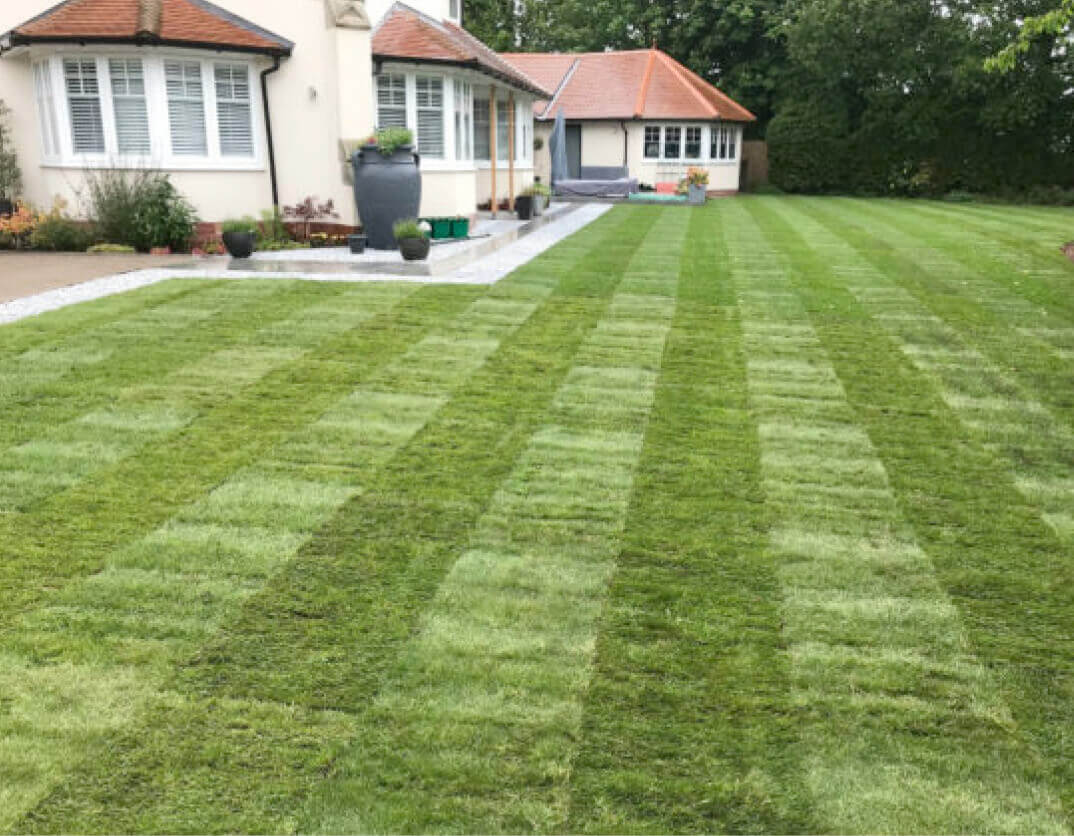
We offer a wide range of lawn turf with different seed mixtures, each suited to different needs. Our team understands what works best for your space. We install with care and provide expert aftercare advice to keep your lawn thriving.
Options
Types of turf
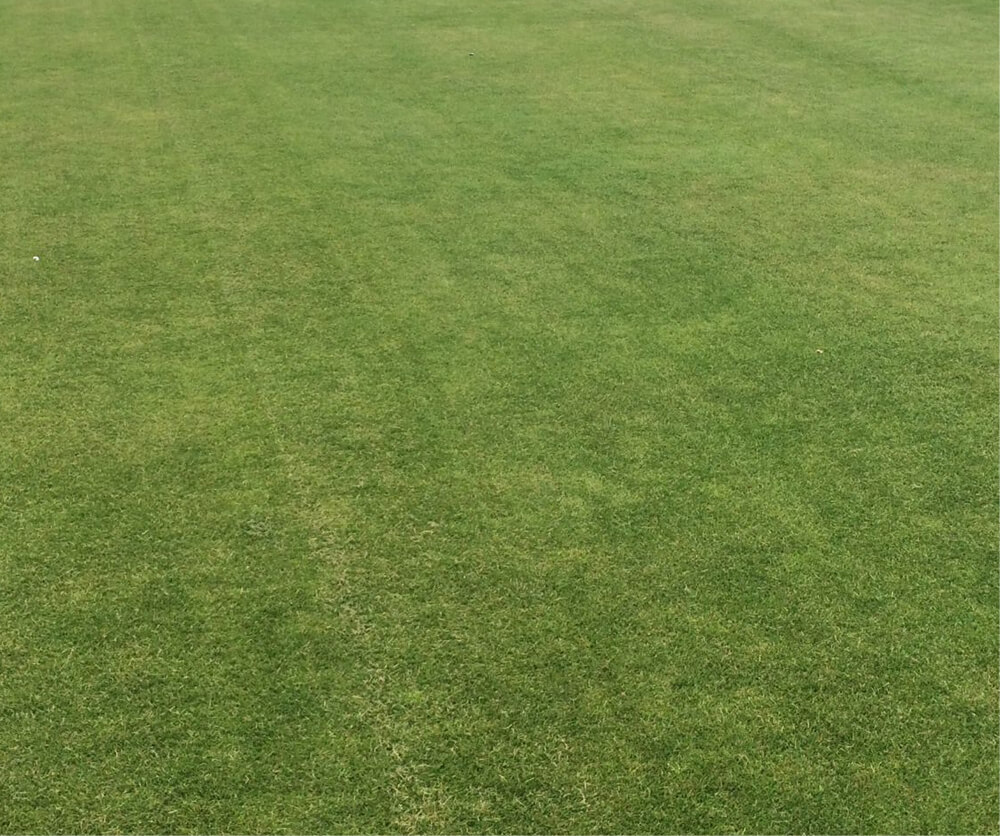
General amenity turf
Premium general amenity turf is the most popular with domestic lawns. The turf has hard wearing properties making it suitable for families with children and pets.
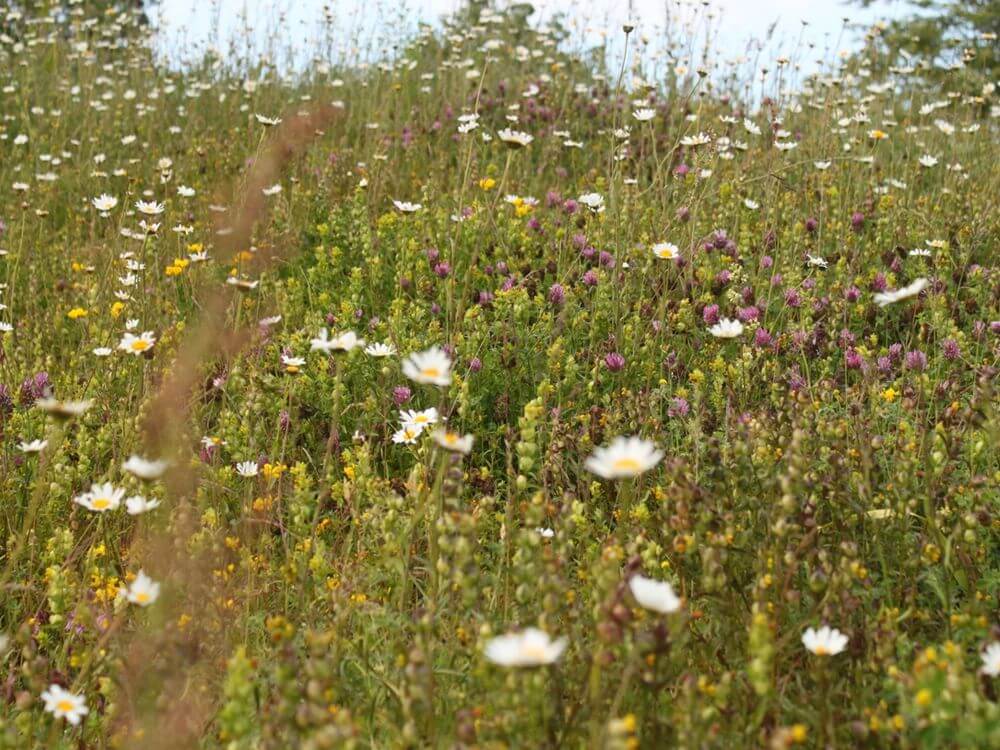
Wildflower turf
Wild flower turf is a very decorative type of turf usually used for soft boundaries to break up vast areas of turf or border gardens. Wildflower turf supports a rich variety of pollinators, such as bees, butterflies, and other insects, as well as birds and small mammals.
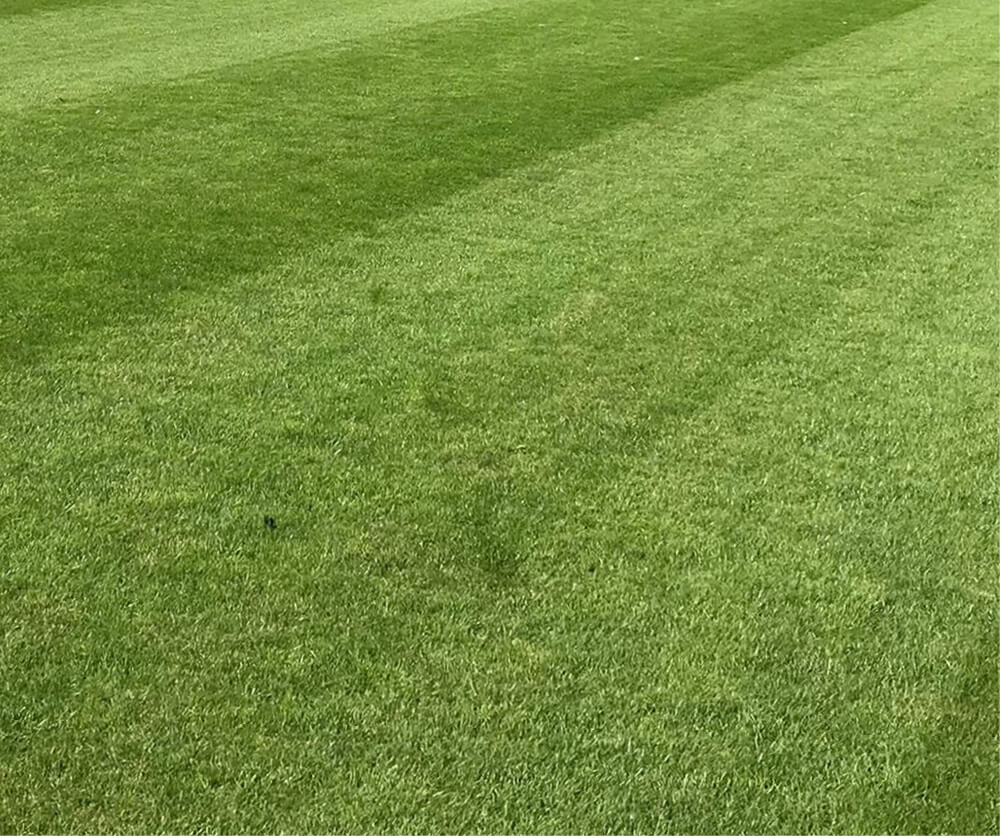
Ornamental amenity turf
Ornamental amenity grade turf requires regular skilled maintenance to keep it in good condition. It is very dense and fine-textured but is the most aesthetically pleasing if maintained correctly.
5 star rated service
Happy customers
We work hard to ensure our clients are thrilled with our service.








FAQs about Turfing Leeds
How often should I water new turf?
For natural grass, you should water it frequently in the first few weeks to help it establish roots, typically 2-3 times per day. For artificial turf, no watering is required, though occasional rinsing is recommended to keep it clean.
What are the benefits of artificial turf over natural grass?
Artificial turf offers benefits such as lower maintenance (no mowing, fertilising, or watering), durability, consistent appearance, and suitability for all weather conditions. It’s ideal for high-traffic areas and places where maintaining natural grass is challenging.
How do I maintain artificial turf?
Maintenance involves regular brushing to keep the fibres upright, rinsing to remove debris and pet waste, and occasionally checking for and repairing any damage. It’s also a good idea to ensure proper drainage to avoid water pooling.
Can turf be installed on slopes or uneven ground?
Yes, turf can be installed on slopes or uneven ground, but additional preparation may be required. For artificial turf, proper grading and installation of a stable base are necessary to ensure a smooth and durable surface.
What should I do if my turf has areas of poor growth or damage?
For natural grass, poor growth or damage may require reseeding, fertilising, or patching. For artificial turf, inspect for and repair any damage promptly. Professional turf installers can also assist with addressing significant issues.
Are there any environmental considerations when installing turf?
Installing artificial turf reduces water consumption and eliminates the need for chemical treatments, which can be environmentally beneficial. However, it is made from synthetic materials, so consider the long-term environmental impact. For natural grass, consider using drought-resistant varieties and environmentally friendly lawn care practices.
How do I prepare my lawn for turf installation?
Preparation involves removing existing grass and debris, levelling the soil, ensuring proper drainage, and possibly adding a layer of topsoil. For artificial turf, a base layer of crushed rock or gravel is typically installed to create a stable foundation.