

Your trusted landscapers
Driveways Leeds
Our team are fully trained in the installation of block paving, resin, tarmacadam and gravel driveways Leeds to the highest standards.
Attention to detail
With a keen eye for detail, trust RightScapes to deliver the best possible results.
Quality assured
Our fully trained and qualified Leeds-based teams will deliver you unparalleled results.
Customer service
Our friendly and knowledgeable customer service team are always happy to help.
Honest & transparent
No hidden fees or nasty surprises. We’re always upfront and honest.
What we do
Driveways Leeds built to enhance curb appeal
With samples available to help you choose the perfect finish, our expert team will guide you on the most suitable options based on your needs and budget. All installations are completed to a high standard and comply with Sustainable Drainage Systems (SuDS) regulations for peace of mind.
Options
Types of driveway

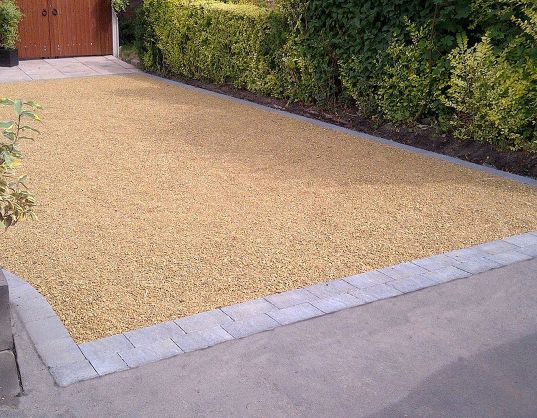
Block paving driveway
Block paving comes in a wide variety of different designs and colours, making it easy to personalise to suit you and your style of driveway.
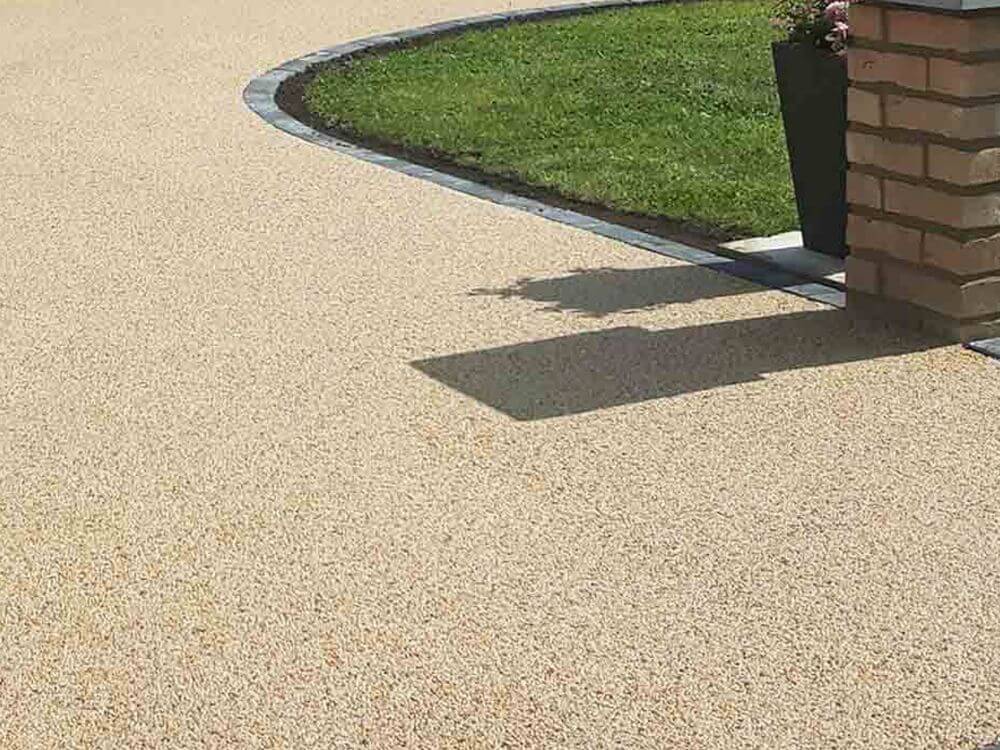
Resin driveway
Resin offers flexibility in colour and finishes. It is hardwearing with low maintenance requirements.
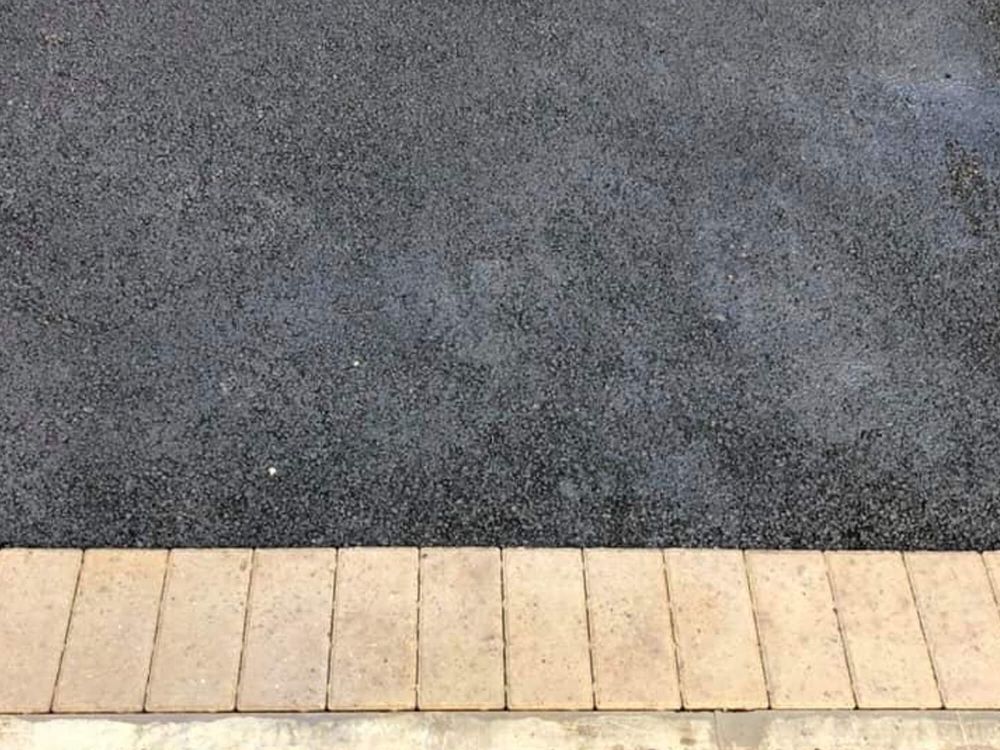
Tarmacadam driveway
Chosen for its durability and value for money. Installed correctly tarmacadam has a very long lifespan and is resilient to all kinds of weather.
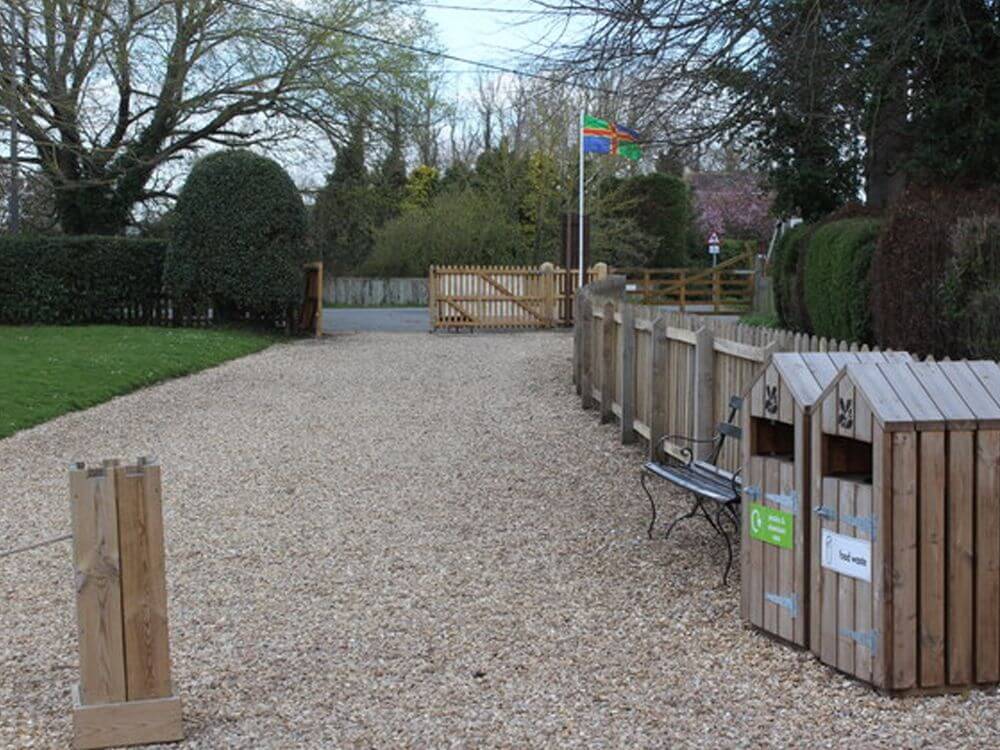
Gravel driveway
Good value for money and can be replaced over time. We install stabilisation grids to avoid gravel movement.
5 star rated service
Happy customers
We work hard to ensure our clients are thrilled with our service.


FAQs about driveways Leeds
How long will my new driveway last?
The lifespan of a driveway depends on the material and maintenance. Asphalt driveways typically last 15-20 years, concrete driveways can last 25-30 years, and brick or paver driveways can last over 30 years with proper care.
Can I install a driveway myself, or should I hire a professional?
While DIY installation is possible, especially for gravel driveways, professional installation is recommended for materials like asphalt, concrete, and pavers to ensure proper preparation, grading, and long-term durability.
What kind of maintenance does a new driveway require?
Maintenance varies by material: asphalt driveways need sealing every 2-3 years, concrete driveways should be cleaned and sealed every 3-5 years, and gravel driveways may require regular raking and additional gravel periodically.
How long does the driveway installation process take?
The installation time can vary depending on the material used and the size of the driveway. Typically, asphalt and concrete driveways can take 1-3 days to install, with additional time for curing, while gravel driveways can be installed in a single day.
re there any environmental considerations when installing a driveway?
Yes, consider permeable materials like permeable pavers or gravel to reduce runoff and promote groundwater recharge. Additionally, using recycled materials and ensuring proper drainage can minimise environmental impact.
What are the signs that my old driveway needs to be replaced?
Common signs that your driveway needs replacement include extensive cracking, potholes, drainage issues, uneven surfaces, and large areas of surface erosion. If repairs are frequent and costly, it may be more cost-effective to replace the driveway entirely.
How does climate affect driveway installation and choice of materials?
Climate plays a significant role in the selection of driveway materials. In cold climates, materials like asphalt and concrete can crack due to freeze-thaw cycles, so proper installation and sealing are important. In hot climates, asphalt can soften and become damaged, making concrete or pavers a better choice. Gravel driveways can be suitable in areas with heavy rainfall as they provide good drainage.
at are the considerations for driveway design and layout?
When designing your driveway, consider factors such as the slope and grading for proper drainage, the width and length to accommodate vehicles, the shape (straight, curved, circular), and the overall aesthetic to complement your home. It’s also important to think about accessibility and any local zoning regulations or homeowner association guidelines.