

Your trusted landscapers
Wall Installation Leeds
From boundaries to ornamental garden walls, retaining or raised beds, the Rightscapes team are fully trained in installing all types of Wall installation Leeds.
Attention to detail
With a keen eye for detail, trust RightScapes to deliver the best possible results.
Quality assured
Our fully trained and qualified Leeds-based teams will deliver you unparalleled results.
Customer service
Our friendly and knowledgeable customer service team are always happy to help.
Honest & transparent
No hidden fees or nasty surprises. We’re always upfront and honest.
What we do
Decorative and structural garden wall solutions
We offer a variety of wall installation Leeds options to suit any style or budget, with samples available to help you choose the perfect look. Our partnerships with trusted suppliers ensure quality materials, while our specially trained staff deliver professional, long-lasting results tailored to your garden’s design and structural needs.

Options
Types of walls

Natural stone wall
Ethically sourced. Timeless, incredibly strong and resistant to the elements.

Brick wall
Variety of textures and colours, there is a brick to suit almost every situation. Cost effective and robust.

Cement rendered wall
Render can be applied to brick, concrete blocks or stone walls to give an overall flat smooth finish. Rendered walls are increasingly being used in modern gardens to brighten areas and to make them feel more spacious.
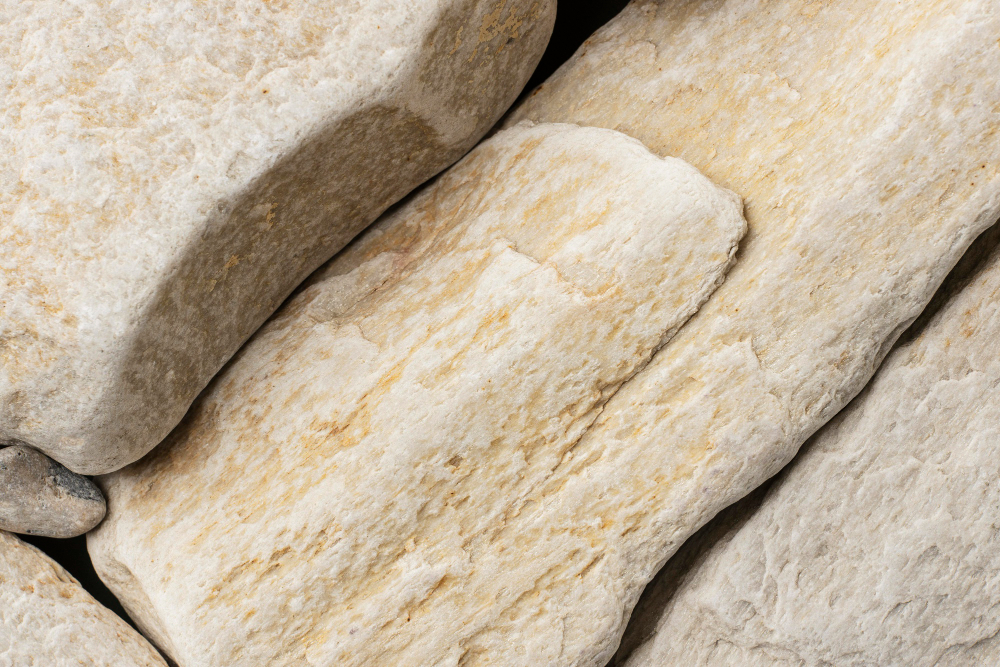
Reconstituted stone
A cost effective and durable solution that’s both consistent in appearance and eco-friendly. Available in a wide range of colours and finishes that can mimic marble, granite or other natural stones.
5 star rated service
Happy customers
We work hard to ensure our clients are thrilled with our service.


FAQs about Garden Wall Installation Leeds
What types of walls are best for garden use?
Common garden walls include stone, brick, concrete, timber, and modular block walls. Each type offers different aesthetic and functional benefits, such as creating raised beds, providing privacy, or adding visual interest.
Do I need a permit for installing a garden wall?
Permits may be required depending on the height and location of the wall, as well as local regulations. Check with your local council to determine if a permit is needed for your garden wall project.
How deep should the foundation be for a garden wall?
The foundation depth depends on the wall height and soil conditions but is generally recommended to be at least 6-12 inches deep. Proper footing ensures stability and helps prevent the wall from shifting or collapsing.
What is the best way to maintain a garden wall?
Maintenance depends on the wall material. Stone and brick walls may require periodic cleaning and checking for cracks, while timber walls might need staining or sealing. Regular inspections and timely repairs will help prolong the wall’s lifespan.
Can garden walls be built on slopes?
Yes, garden walls can be built on slopes, but it requires careful planning to ensure stability. Retaining walls are commonly used to manage slopes and prevent soil erosion. Proper grading and drainage are essential for these installations.
How do I incorporate plants into my garden wall design?
You can incorporate plants by using wall planters, vertical garden systems, or climbing plants that grow up the wall. Ensure the wall design allows for proper drainage and support for the plants.
What are some design tips for creating a visually appealing garden wall?
Consider the wall’s function and how it complements the garden’s overall design. Use materials that match or contrast with other garden elements, add features like built-in planters or seating, and incorporate plants or lighting for added interest.
How do I ensure proper drainage behind a garden wall?
Proper drainage is important to prevent water buildup behind the wall, which can cause damage. Use drainage materials like gravel or perforated pipes behind the wall, and ensure there is a slight slope away from the wall to facilitate water runoff.