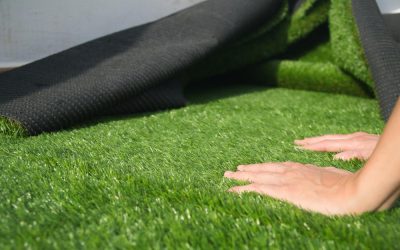
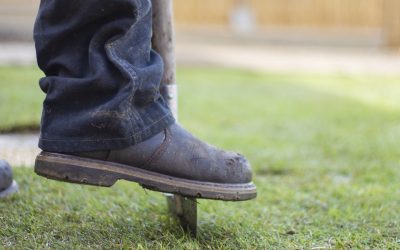
In recent years, artificial grass has gained popularity among homeowners, businesses, and even sports facilities. What was once seen as a synthetic alternative with limited appeal is now recognised as a smart, sustainable, and stylish landscaping choice. If you’re weighing the pros and cons of going artificial, here are some benefits to consider.
Low Maintenance
One of the most obvious advantages of artificial grass is the minimal upkeep it requires. Forget about mowing, watering, fertilising or dealing with weeds. With artificial turf, your weekends are yours again. A simple rinse now and then or brushing to remove debris is all it takes to keep your lawn looking pristine year-round.
Year-Round Greenery
Artificial grass stays lush and vibrant no matter the season. Whether you’re facing scorching summer heat, heavy rain, or even snow, synthetic turf maintains its colour and structure without fading or thinning. It’s an ideal solution for those who want a consistently beautiful lawn, regardless of the weather.
Water Conservation
With droughts becoming more common in many parts of the world, water conservation is a growing concern. Artificial grass drastically reduces the need for irrigation, helping homeowners and businesses save thousands of gallons of water annually. It’s an eco-friendly choice that supports sustainable living.
Pet-Friendly and Kid-Safe
Modern artificial grass is designed to be non-toxic and soft, making it safe for children and pets. It drains quickly, so puddles and mud are never an issue. Plus, it eliminates the need for harmful pesticides and fertilizers, providing peace of mind for families and pet owners.
Cost-Effective in the Long Run
While the initial investment in artificial grass can be higher than laying sod or planting seed, the long-term savings are significant. Reduced water bills, no lawn care equipment, and minimal maintenance mean that artificial turf pays for itself over time.
Versatility in Design
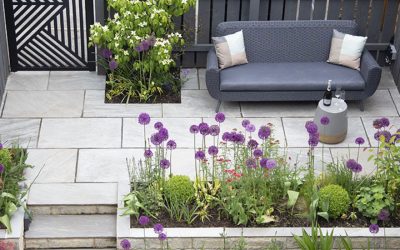
Artificial grass isn’t just for lawns. It’s being used creatively in rooftop gardens, patios, balconies, playgrounds, and even indoor spaces. Its versatility allows for unique and low-maintenance designs that fit a variety of lifestyles and spaces.
Allergy Relief
Grass pollen is a major trigger for seasonal allergies. Replacing natural grass with artificial turf can reduce pollen exposure and help alleviate symptoms, especially for children and those with respiratory sensitivities.
Durability and Longevity
High-quality synthetic turf is built to last. It resists wear and tear from foot traffic, sports activities, and extreme weather, maintaining its appearance for 15–20 years with proper care. This makes it ideal for high-use areas like schools, sports fields and commercial properties.
Conclusion
Artificial grass has evolved significantly in recent years, offering a wide range of practical, environmental and aesthetic benefits. Whether you’re looking to cut down on maintenance, save water, or create a year-round green space, synthetic turf might be the perfect solution.
Interested in making the switch? contact us today!