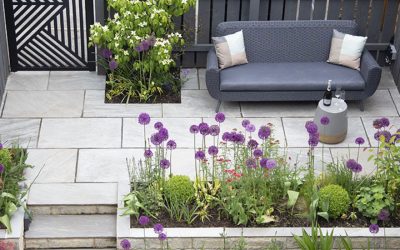
A waterlogged garden can be frustrating, especially when your lawn stays muddy for days after heavy rain, puddles refuse to disappear and moss starts taking over the grass. It’s a familiar problem for homeowners across Leeds, Bradford and Wakefield, where heavy clay soil can make it difficult for rainwater to drain away. Fortunately, there are several practical waterlogged garden solutions that can help you make better use of your outdoor space. The key is understanding what’s causing the problem before deciding how to fix it.
First, find out why your garden is waterlogged
Not every waterlogged garden has the same drainage problem. Before investing in new drainage or landscaping, it’s worth identifying where the excess water is coming from and why it isn’t draining away.
- Heavy clay soil. Clay contains very fine, tightly packed particles that allow water to pass through slowly. This is a common cause of waterlogged gardens across parts of Yorkshire.
- Compaction. Soil can become heavily compacted in new-build gardens or areas regularly walked on or driven over by machinery. This creates a dense layer beneath the surface that restricts drainage.
- Run-off. Rainwater flowing from higher gardens, paths or patios can collect in lower areas, leaving sections of the lawn constantly wet.
- Downpipes. Roof drainage that empties directly onto the lawn can concentrate a large amount of rainwater in one area, making existing drainage problems worse.
- High water table. In some low-lying gardens, groundwater remains close to the surface during winter, keeping the soil wet even when it hasn’t rained recently.
Try a simple drainage test
A basic drainage test can help you understand how well your soil absorbs water. Dig a hole about 30cm deep, fill it with water and allow it to drain away. Fill the hole again and measure how long the water takes to disappear. If water is still sitting in the hole many hours later, your soil is draining poorly and improvements to the surface alone may not solve the problem.
Waterlogged garden solutions that actually work
1. Aerate and improve the lawn
For lawns with mild drainage problems, hollow-tine aeration can help relieve compaction and improve the movement of air and water through the soil. This involves removing small plugs of soil and brushing a free-draining top dressing into the holes. Repeating the process every autumn can help maintain better conditions. In garden borders with heavy clay, adding organic matter can also improve soil structure gradually over time.
2. Redirect water at the source
Sometimes the best way to improve garden drainage is to prevent excess water from reaching the problem area. Downpipes can be connected to a water butt or suitable soakaway, while channel drains can collect water running off patios. Adjusting the levels of paths and other hard surfaces can also help direct rainwater towards planted borders rather than allowing it to collect on the lawn.
3. Install a French drain or land drains
French drains and land drains can be effective solutions when water regularly collects in certain parts of a garden. A French drain consists of a gravel-filled trench containing a perforated pipe that collects excess water and directs it away. For larger lawns, land drains can be installed in a herringbone pattern, feeding into a main drainage pipe. Both systems need a suitable place for the collected water to discharge.
4. Build a soakaway
A soakaway is an underground pit filled with crates or rubble that temporarily holds rainwater while allowing it to drain into the surrounding ground. It needs to be positioned well away from the house, at least 5 metres from buildings, and sized appropriately for the amount of water it will receive. However, soakaways aren’t always suitable for gardens with very heavy clay soil because the surrounding ground may absorb water too slowly. In these situations, a rain garden or a connection to an approved surface water drain may be a more practical option.
5. Create a rain garden
A rain garden offers a natural and attractive way to manage excess surface water. It involves creating a shallow planted area with free-draining soil and plants that tolerate wetter conditions. Rainwater from surrounding surfaces collects in the planted area and gradually soaks into the ground. As well as helping manage run-off, a rain garden can introduce more colour, texture and interest to your outdoor space.
6. Raise the planting
Raised beds can be a useful option in gardens where the soil stays particularly wet. By lifting the planting area above the surrounding ground, they help keep plant roots away from the wettest soil. They’re especially practical for growing vegetables and plants that prefer better-drained conditions, while also adding structure to the garden.
7. Change the surface
If one part of your garden remains muddy despite other improvements, changing the surface may be the most practical solution. Permeable paving, gravel or artificial grass installed over a properly prepared, free-draining base can create a more usable outdoor area. This can be particularly helpful in shaded or heavily used sections of the garden where maintaining a healthy lawn is difficult.
What not to do
- Don’t simply spread sand over clay soil. Mixing too little sand into heavy clay can make the ground even more compact and difficult to work with.
- Don’t connect garden drainage systems to the foul sewer.
- Don’t install new turf directly over compacted, waterlogged soil without addressing the underlying drainage problem.
- Don’t redirect excess rainwater onto a neighbouring property.
When to call in a professional
If your garden stays waterlogged for long periods, the drainage test shows very slow water absorption or large areas regularly flood, professional advice can help identify the most suitable solution. It’s also worth addressing drainage before installing a new patio, lawn or other landscaping features. Planning the groundwork and drainage together is generally more practical and less disruptive than trying to correct problems after the garden has been completed.
At RightScapes, we address drainage as part of new lawns and turfing, patios and complete garden landscaping projects across West Yorkshire. We understand the challenges of working with heavy clay soil and gardens that experience regular rainfall. Our artificial grass installations also include properly prepared, free-draining bases designed to cope with clay ground conditions. If you’re struggling with a wet or muddy garden, get in touch to arrange a free site visit and discuss the options available.
Frequently asked questions
What is the cheapest way to fix a waterlogged garden?
For mild drainage problems, some of the most affordable solutions include aerating the lawn, redirecting water from downpipes and adding organic matter to improve the soil. These simple measures can help reduce surface water and improve drainage without extensive groundwork.
How do you drain a waterlogged garden on clay soil?
Gardens with heavy clay soil often need a combination of drainage improvements. This may include installing French drains or land drains to collect excess water, directing it towards a suitable soakaway or rain garden, and improving the soil structure over time. The right approach depends on the garden’s levels, soil conditions and where the water can safely drain.
Will a French drain fix my waterlogged lawn?
A French drain can help if water regularly collects in a particular area and there is a suitable outlet for it to discharge. However, it may not solve the problem if the entire garden has a very high water table. Identifying the cause of the waterlogging is important before choosing a drainage system.
Which plants grow well in waterlogged soil?
Several plants are well suited to damp garden conditions, including dogwood, astilbe, hostas, ferns, irises and many ornamental grasses. These can be good choices for wet borders and rain gardens, helping you create an attractive planting scheme in areas where other plants may struggle.
Can artificial grass be laid in a waterlogged garden?
Yes, artificial grass can be installed in a waterlogged garden, provided the ground is prepared correctly. This usually involves excavating the existing surface, installing a suitable free-draining sub-base and adding further drainage where required. Laying artificial grass directly onto wet clay without proper groundwork is unlikely to resolve the drainage problem.
Struggling with a waterlogged garden?
Our team can assess your garden, find the cause of the drainage problem and recommend a practical solution for clay soil. Contact RightScapes to arrange a visit and discuss your options.