A sloping garden can add character to your outdoor space, but it can also make everyday activities more difficult. Uneven lawns, awkward seating areas and steep paths can leave parts of your garden unused. If you’re wondering how to level a sloping garden, there are several practical ways to make the space more attractive and easier to enjoy without having to flatten the entire area.
In this guide, we’ll explain the different ways to level a sloping garden, from creating terraces and retaining walls to making better use of existing levels. These are common challenges for homeowners across Leeds and West Yorkshire, where hillside gardens and uneven ground are a familiar feature.
Step 1: Assess the slope of your garden
Before deciding how to level your garden, it’s important to understand how steep the ground is. One way to measure the slope is to place a peg at the top and bottom of the garden, run a string line between them and use a spirit level to make sure the string is horizontal. You can then measure the vertical drop at the lower peg and compare it with the horizontal distance to work out the gradient.
- Gentle (around 1 in 20 or shallower): These gardens may already be suitable for a lawn or could be improved with a small amount of levelling and additional topsoil.
- Moderate (around 1 in 10): These slopes often benefit from moving soil between different areas or installing a low retaining edge to create a more usable space.
- Steep (1 in 5 or more): Terracing with retaining walls and steps is usually the most practical way to create separate level areas.
Step 2: Decide which parts of your garden need levelling
Not every part of a sloping garden needs to be completely flat. The best approach is to think about how you want to use your outdoor space and focus on creating level areas where they’re needed most. This might include a patio for outdoor dining, a flat lawn for children to play on or a practical pathway leading to a shed. Flower beds, shrubs and natural planting areas can often follow the existing slope, helping you create an attractive garden without unnecessary groundwork.
Step 3: Choose the best way to level your sloping garden
Cut and fill
Cut and fill is a common method for levelling gardens with a gentle slope. It involves removing soil from the higher part of the garden and using it to build up the lower area, creating a more even surface. This can help keep costs down by reducing the amount of soil that needs to be removed from the property. The topsoil should be taken off and stored separately before work begins, allowing it to be replaced once the levels are complete.
Terracing
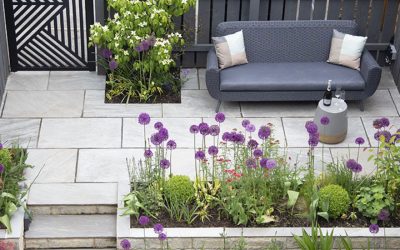
Terracing is an effective solution for steeper gardens, particularly on hillside properties around Leeds and West Yorkshire. Instead of trying to level the entire slope, the garden is divided into two or more separate flat areas supported by retaining walls. This creates opportunities for different features, such as a patio close to the house, a level lawn further up the garden and decorative planting around the boundaries. It’s a practical way to make better use of outdoor space while creating an attractive, structured layout.
Retaining walls
Retaining walls provide the support needed to create level areas on sloping ground. They can be built using natural stone, timber sleepers, rendered blockwork or gabions, depending on the style of your garden and the amount of soil being retained. Timber sleepers are a popular choice for smaller, low-level walls, while stone and blockwork are often more suitable for taller structures that need to provide long-term support. Choosing materials that complement your property can also help the finished garden look more natural and consistent.
Steps and ramps
When a garden has different levels, it’s important to create comfortable and practical access between them. Wide, shallow steps can make moving around the garden easier while adding an attractive feature to the overall design. Where access is needed for wheelbarrows, bicycles or pushchairs, a gently sloping ramp may be a more suitable option. The right choice depends on the available space, the gradient and how you plan to use your garden.
Step 4: Plan the drainage before levelling your garden
Drainage is one of the most important considerations when deciding how to level a sloping garden. Rainwater can collect behind retaining walls, increasing pressure on the structure and potentially causing movement or damage over time. This is particularly important in parts of Yorkshire where heavy rainfall and clay soil can make drainage more challenging. A properly constructed retaining wall should include free-draining gravel behind it, a perforated drain at the base and weep holes to allow water to escape. On heavy clay ground, effective drainage is essential for creating a strong, long-lasting result.
Step 5: Check the rules before you level a sloping garden
- Garden walls up to 2 metres high generally do not need planning permission, or 1 metre next to a road.
- Raised platforms such as patios or decking more than 30cm above ground level can need planning permission.
- Digging close to a neighbour’s house or wall may bring the Party Wall Act into play.
- Taller retaining walls holding back a lot of soil should be designed with structural advice.
Can you level a sloping garden yourself?
Levelling a garden with a gentle slope can be a manageable DIY project if you have the right equipment, enough topsoil and the time to prepare the ground properly. Hiring a mini digger can make moving soil easier, although careful planning is still important. For more challenging gardens involving retaining walls over knee height, steps or significant changes in ground levels, professional landscaping is generally the safer option. Proper foundations and drainage are essential, and mistakes can be expensive to put right.
Sloping garden ideas that make the most of your space
- Create a sunken patio at the bottom of the garden, with surrounding walls providing a sheltered and comfortable outdoor seating area.
- Incorporate raised planting beds into retaining walls to combine practical garden levels with attractive flowers, shrubs and greenery.
- Install a winding garden path with steps to connect different levels and turn the natural slope into an attractive feature.
- Use a mixture of ground-cover plants and shrubs on steeper banks to help hold the soil in place and reduce the amount of mowing required.
Need help with your sloping garden?
Knowing how to level a sloping garden is a good starting point, but professional preparation and installation are important for achieving a strong, long-lasting finish. At RightScapes, we design and build garden terraces, steps and retaining walls throughout Leeds and West Yorkshire, helping homeowners transform uneven outdoor spaces into attractive, practical gardens. Our garden design team can also help you plan the layout, levels and features before work begins. If you’re based near Bradford, explore our landscapers in Bradford page, or get in touch to arrange a free consultation and discuss your project.
Frequently asked questions
What is the cheapest way to level a sloping garden?
For gardens with a gentle slope, cut and fill is usually the most cost-effective approach. By moving soil from the higher areas to the lower sections, you can create a more level surface without removing large amounts of material or installing tall retaining walls. The best option will depend on the layout and condition of your garden.
How much does it cost to level a sloping garden?
The cost of levelling a sloping garden depends on several factors, including the size of the area, the steepness of the slope, access for machinery and the type of retaining walls required. A small garden that only needs basic cut and fill work will generally cost much less than a larger landscaping project involving multiple terraces, natural stone walls and steps. A site visit can help establish the work involved and provide a more accurate quotation.
Are sleepers strong enough for a retaining wall?
Timber sleepers can be a suitable option for low retaining walls when they’re securely installed and supported by appropriate drainage. They also provide a natural appearance that works well in traditional and modern gardens. For taller retaining walls, materials such as stone, blockwork or concrete sleepers supported by steel posts are generally more suitable.
Can you lay a patio on a slope?
Yes, a patio can be installed in a sloping garden, but the area will need to be prepared to create a suitable surface. This may involve cutting into the higher ground, building up the lower section or installing a retaining edge for support. The finished patio should also have a slight fall to allow rainwater to drain away from the house.
How do I stop soil washing down my sloping garden?
There are several ways to help prevent soil erosion on sloping ground. Planting ground-cover plants and shrubs can help hold the soil together, while mulch provides additional surface protection. Low retaining terraces can also help manage changes in level, and suitable drainage at the bottom of the slope can reduce problems caused by excess rainwater.
Need help with a sloping garden?
Whether you need retaining walls, terracing or steps, our team can assess your garden and recommend the best way to make it more usable. Get in touch with RightScapes to discuss your sloping garden.