Raised beds with sleepers are a popular way to add structure, character and practical planting space to your garden. Whether you’re growing vegetables, adding colourful flower beds or creating decorative borders around a patio, timber sleepers offer an attractive and versatile solution. They’re particularly useful for gardens with uneven ground or heavy clay soil, which is common across Leeds and West Yorkshire.
In this guide, we’ll explain the benefits of sleeper raised beds, the different materials available, recommended sizes, installation methods and what you can expect to pay. Whether you’re planning a small planting area or incorporating raised beds into a complete garden makeover, careful preparation will help you achieve a long-lasting finish.
Why choose raised beds with sleepers?
- Better soil. Raised beds can be filled with quality topsoil and compost, making it easier to grow plants in gardens with heavy clay or poor existing soil.
- Less bending. Building raised beds two or three sleepers high makes planting, weeding and general maintenance more comfortable.
- Drainage. Raised soil generally drains more quickly and warms up earlier in spring, helping create suitable growing conditions.
- Structure. Timber sleepers create neat, defined planting areas that give your garden an attractive layout throughout the year.
- Seating. Raised beds can also be designed with sleeper edges at a suitable height to provide additional garden seating.
Choosing the right sleepers for raised garden beds
Softwood (pressure treated)
Pressure-treated softwood sleepers are one of the most affordable options for raised garden beds. They’re relatively easy to handle, cut and install, making them suitable for a wide range of garden projects. Choose sleepers that have been pressure treated for ground contact to help protect the timber against moisture and decay. Softwood can also be stained or painted to complement your garden design.
Oak
Oak sleepers are a popular choice for homeowners looking for a natural, traditional finish. They’re heavier and more expensive than softwood, but they offer excellent durability and gradually weather to an attractive silver-grey colour. New oak can release dark tannins during the first few months, which may stain nearby paving, so it’s worth considering their position when planning your raised beds.
Reclaimed railway sleepers
Reclaimed railway sleepers can add a rustic appearance to garden landscaping, but it’s important to check how they’ve been treated. Older railway sleepers were often treated with creosote, which can seep from the timber during warmer weather. For this reason, they’re not recommended for vegetable beds or areas where children and pets may regularly come into contact with them.
Concrete and composite sleepers
Concrete and composite sleepers offer alternatives to traditional timber. Concrete sleepers supported by steel posts can be particularly useful for retaining walls and landscaping projects on sloping ground. Composite sleepers don’t rot and require no timber treatment, making them a low-maintenance option. However, they generally cost more, and some homeowners prefer the natural appearance of real wood.
How big should raised beds with sleepers be?
A standard sleeper measures around 2.4 metres long, 200mm wide and 100mm thick, making it easy to plan raised beds in practical sizes that suit your available garden space.
- Width: For beds accessible from both sides, aim for a maximum width of about 1.2 metres. If your raised bed sits against a wall or fence, a width of 60 to 80cm makes planting and maintenance easier.
- Height: Two sleepers (about 40cm) provide a practical height for most flowers and vegetables. Three sleepers (about 60cm) offer easier access and can also work well when incorporating seating.
- Paths: Leave at least 60cm between raised beds to allow comfortable access, with additional space if you need to move a wheelbarrow between them.
How to build raised beds with sleepers that last
- Level the ground. Start by preparing a firm, level foundation for the first layer of sleepers. This may involve compacting the existing ground or creating a suitable base to ensure the finished bed remains stable and even.
- Stagger the joints. Arrange the sleepers so the joints overlap between layers, similar to brickwork. This helps strengthen the structure and keeps the corners securely connected.
- Fix them properly. Secure the corners using suitable long timber screws or coach bolts. For longer raised beds, internal support posts can help prevent the sides from bowing under the weight of wet soil.
- Line the sides. Installing a permeable membrane along the inside walls helps reduce direct contact between the timber and damp soil. Keep the base open to allow excess water to drain away.
- Fill in layers. For deeper raised beds, place suitable coarse material at the bottom before adding a quality mixture of topsoil and compost to create a good planting environment.
How much do raised beds with sleepers cost?
The cost of raised beds with sleepers depends on the type of timber, the size of the bed and the materials required. As a rough guide, pressure-treated softwood sleepers often cost around £20 to £35 each, while new oak sleepers are considerably more expensive. A simple raised bed measuring 2.4m by 1.2m and built two sleepers high will typically require about five sleepers once cutting is taken into account, along with suitable fixings, membrane and soil.
Professional installation will cost more than building the beds yourself, but it ensures the groundwork, levels and fixings are completed properly. Raised beds can also be incorporated into larger landscaping projects alongside patios, pathways, garden steps and retaining walls, helping create a consistent finish throughout your outdoor space.
Raised bed ideas for your garden
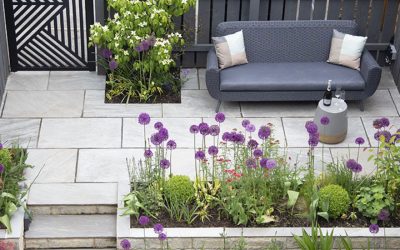
- Position raised sleeper beds around the edge of a patio to create attractive planting areas that frame your outdoor seating space.
- Use stepped sleeper beds to create different planting levels and make better use of a gently sloping garden.
- Add a timber cap along the top of your raised beds to create a comfortable seating edge for relaxing in the garden.
- Paint pressure-treated softwood sleepers dark grey or black for a modern appearance that works particularly well alongside porcelain paving.
- Install a narrow sleeper bed along a garden fence and add climbing plants to soften the boundary and introduce more greenery.
Want raised beds as part of a new garden?
At RightScapes, we design and install raised beds, garden planters and garden walls as part of complete garden builds across Leeds and West Yorkshire. Whether you’re looking to add planting areas around a new patio, improve a sloping garden or create a completely new outdoor space, our team can help you choose suitable materials and achieve a professional, long-lasting finish. Contact our team to arrange a free consultation and discuss your garden landscaping ideas.
Frequently asked questions
Do I need to line raised beds with sleepers?
Lining sleeper raised beds isn’t essential, but adding a permeable membrane to the inside walls can help protect the timber from prolonged contact with damp soil. This can help extend the life of your raised beds. Avoid covering the base with plastic, as excess water needs to drain away.
Are treated sleepers safe for growing vegetables?
Modern pressure-treated softwood sleepers are commonly used for vegetable raised beds. Many gardeners also install a liner between the timber and soil as an additional barrier. Older railway sleepers treated with creosote should be avoided when growing edible crops.
How long do sleeper raised beds last?
Pressure-treated softwood raised beds typically last 10 years or more, while oak sleepers can last considerably longer. Their lifespan depends on factors such as drainage, ground conditions and how frequently the timber is exposed to moisture. Proper installation and suitable materials can help improve their durability.
What do you put in the bottom of a deep raised bed?
For deeper raised beds, you can use suitable rubble-free coarse material or broken-down organic matter at the bottom to reduce the amount of soil required. The upper section should contain at least 30 to 40cm of quality topsoil and compost to provide a suitable growing environment for your plants.
Can you put raised beds on paving or a patio?
Yes, raised beds with sleepers can be installed on existing paving or patios, making them a practical option for adding planting areas without removing the entire surface. It’s important to allow water to escape from the base and use a suitable membrane to prevent soil from washing onto the surrounding paving.
Want raised beds built with sleepers?
We can design and build sturdy, well-drained raised beds that suit your garden and planting plans. Contact RightScapes to talk through your ideas and arrange a quote.