Artificial grass is a popular choice for homeowners who want a neat, green lawn without the regular mowing and upkeep of natural turf. Modern products offer a realistic appearance and a soft surface that works well in family gardens. But how much does it cost to lay artificial grass properly? The price depends on more than the grass itself. Excavation, drainage and preparation of the ground all affect the overall cost, and a well-built base can make the difference between a lawn that lasts three years or fifteen.
How much does it cost to lay artificial grass? The main figures
As a general guide for 2026, professionally installed artificial grass in the UK typically costs around £60 to £100 per square metre. This includes excavation, sub-base preparation, the artificial grass and installation labour.
- Small lawn (around 20m²): roughly £1,400 to £2,500
- Medium lawn (around 50m²): roughly £3,000 to £5,000
- Large lawn (around 100m²): roughly £5,500 to £9,000, often with a lower rate per square metre
Smaller installations often have a higher cost per square metre because expenses such as delivery, equipment and waste removal are spread across a smaller area. The final price will depend on your garden’s layout, ground conditions and the work required.
What makes up the cost of artificial grass installation?
The grass itself
Artificial grass typically costs between about £15 and £35 per square metre before installation. Lower-priced products often have thinner fibres, a shinier appearance and lighter backing. Mid-range and premium options generally offer denser fibres, more natural colour variations and better resilience. This is worth considering if your lawn will be used regularly by children, pets or the whole family.
Excavation and waste
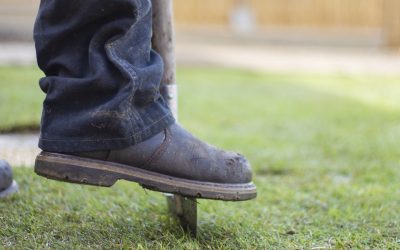
Before artificial grass can be installed, the existing lawn and soil usually need to be removed to a depth of around 75 to 100mm. This creates space for the new base and helps provide a stable finished surface. The excavated material also needs to be taken away, so a detailed installation quote should include the cost of waste disposal, whether that’s through a skip or grab lorry.
The sub-base
A properly prepared sub-base is essential for a long-lasting artificial lawn. A compacted layer of crushed stone, finished with a finer laying course, provides a firm, level surface while allowing water to drain through. This is particularly important in gardens across Leeds, Bradford and West Yorkshire, where heavy clay soil can make drainage more difficult. Without suitable groundwork, water can collect beneath the grass and affect the finished surface.
Edging
Artificial grass needs a secure edge to keep it neatly in place. Depending on the layout of your garden, this could involve fixing the grass against existing paving, timber edging, steel edging or a newly installed kerb. The type and amount of edging required will influence the overall installation cost.
Joins and wastage
Artificial grass is usually supplied in rolls measuring 2m or 4m wide. Gardens with unusual shapes, curved borders or several separate areas may require more cutting and joining. This can create offcuts, meaning the amount of grass purchased may be greater than the finished lawn area.
Extras
Some gardens benefit from additional features depending on how the lawn will be used. Shock pads can provide extra cushioning in children’s play areas, while antimicrobial infill may be useful for households with dogs. Gardens with particularly wet ground may also need additional drainage. These extras increase the installation cost but can improve the lawn’s practicality and performance.
Is it cheaper to lay artificial grass yourself?
Installing artificial grass yourself can reduce labour costs, but there are still materials, equipment and waste disposal to consider. You’ll need the grass, crushed stone, membrane, edging and fixings, along with equipment such as a compactor to prepare the base properly. Ground preparation is often the most challenging part of the job, and mistakes can result in uneven areas, visible joins or puddles after rainfall. DIY installation may be suitable for smaller, straightforward spaces, but larger gardens and properties with heavy clay soil will often benefit from professional groundwork and installation.
How does artificial grass compare with real turf?
Natural turf is generally much cheaper to install initially, making it an attractive option for homeowners working with a smaller budget. Artificial grass requires a higher upfront investment but removes the need for regular mowing, feeding, reseeding and watering. Over ten years or more, the difference in overall costs can become smaller, particularly in shaded gardens or areas where natural grass struggles with regular use by children and dogs.
Questions to ask before choosing an artificial grass installer
- How deep will you excavate, and what will the sub-base be?
- Is a weed membrane included?
- How will the joins be made?
- What edging will you use?
- What warranty comes with the grass and with the installation?
Thinking about artificial grass for your garden?
At RightScapes, we install artificial grass across Leeds, Bradford and the surrounding areas, helping homeowners create attractive, low-maintenance lawns that suit their outdoor spaces. Every installation starts with proper ground preparation and a free-draining base, with particular attention to the drainage challenges often found in Yorkshire gardens. Whether you’re replacing a muddy lawn or creating a practical space for children and pets, contact us to request samples and a free, itemised quote.
Frequently asked questions
How much does it cost to lay artificial grass per square metre?
Most UK homeowners can expect to pay roughly £60 to £100 per square metre for professionally installed artificial grass. The final cost depends on the quality of the grass, the groundwork required and access to the garden.
Why are artificial grass quotes so different?
Artificial grass installation quotes can vary because installers may use different products and methods of ground preparation. Excavation depth, sub-base materials, edging and waste removal all affect the price. It’s worth checking exactly what’s included so you can compare quotations fairly.
How long does artificial grass last?
Good quality artificial grass installed on a properly prepared base typically lasts 10 to 15 years or more. Choosing suitable materials and ensuring the ground is stable and well drained can help the lawn maintain its appearance and performance over time.
Can artificial grass be laid over existing grass?
Installing artificial grass directly over an existing lawn is not recommended. The natural turf underneath will eventually decompose, which can leave the surface uneven and prevent water from draining properly. Removing the old grass and installing a suitable sub-base provides a more stable and long-lasting result.
Does artificial grass need maintenance?
Artificial grass requires very little maintenance compared with natural turf. Occasional brushing helps keep the fibres upright, while removing leaves and other debris keeps the surface tidy. Rinsing the grass when needed, particularly in gardens used by pets, will also help keep it clean and looking its best.
Get a quote for your artificial grass
If you’re ready to replace your lawn with low-maintenance artificial grass, our team can measure up, check your ground conditions and give you a clear quote. Get in touch with RightScapes to get started.